
completing a d-round funding is a pivotal milestone for any growing enterprise, signaling a significant shift in the company's trajectory from seeking initial validation to demanding substantial capital for rapid market expansion. Compared to earlier stages like a or seed funding, d-round investments are characterized by larger amounts, longer terms, and a focus on scaling operations across multiple markets.
When an entrepreneur and an investor announce that a company has successfully completed a d-round, it means that the business has attracted the collective attention of top-tier venture capital firms, private equity houses, and strategic partners who are now confident in the company's potential to disrupt its industry. This transition represents a move from validating a concept to proving a business model capable of handling high volume and complex logistics.
Think of the progression as a journey through paid land. In the early a-round, a company paid for basic survival. If the land was dry, so was the d-round. In a business with solid cash flow and strong market traction, the land becomes lush, allowing the company to grow into a mansion with a garden, a pool, and a library.
The core meaning lies in the balance between risk and reward. Investors are not just giving money; they are betting on a future where the company can achieve significant revenue growth while maintaining market share. If the business fails to deliver on these promises, the d-round funding will be treated as a short-term investment loss rather than a strategic victory.
Let us explore the practical implications of this funding event through a detailed breakdown of what it signifies for the company's development plan and operational capabilities.
1.Capital for Strategic Expansion
When a company secures d-round funding, the primary source of capital shifts from covering immediate operating expenses to funding long-term strategic initiatives. Imagine a startup that has just secured a seed round to reach the first customer; now, it needs money to hire a dedicated sales force, expand its headquarters to a new city, and build robust cloud infrastructure.
This capital infusion acts as a catalyst, allowing the company to pursue market opportunities that might have been too risky to take on with a smaller budget. For instance, a SaaS company might use d-round funds to enter a European market, while an e-commerce firm might expand its supply chain network globally.
Investors in d-rounds often bring more than just cash; they bring expertise in M&A, legal structures, and operational efficiency. These strategic advisors can help the company navigate complex regulatory environments and optimize its business models for scalability.
Furthermore, d-rounds typically involve longer investment terms compared to seed rounds, which often range from two to four years. This extended timeline provides time for the company to iterate, improve its products, and refine its value proposition, turning potential risks into manageable challenges.
It is crucial to understand that d-round funding does not guarantee a successful IPO. Instead, it serves as a springboard for further growth, potentially preparing the company for later stages like Series C or even private equity exits.
2.Enhanced Investor Confidence and Market Reach
The announcement of a d-round completion is a powerful signal to the broader market, indicating that the company has overcome previous challenges and demonstrated resilience. Investors, having seen the company grow from a small startup to a larger entity, feel more comfortable committing their capital because the risk has been mitigated. Investors in d-rounds are often looking for companies that have a clear path to profitability and can attract tens or hundreds of millions in revenue.
This heightened confidence often leads to increased liquidity, meaning that investors might sell their stakes more easily, providing the company with more flexibility to raise additional capital. However, this liquidity also puts pressure on the company to maintain a high stock price and strong performance metrics, as any decline in valuation could trigger selling pressure.
Moreover, the reputation of a company that has successfully raised d-round funding can enhance its brand value, making it easier to attract top talent and strategic partnerships. When a company has been vetted by leading investment firms, it often means the founders have a strong track record and a clear vision.
One key aspect of d-round confidence is the ability to execute on growth plans. Investors expect the company to scale operations efficiently, which means the business must demonstrate clear paths to revenue generation and cost control. Companies that fail to meet these expectations risk losing the d-round funding, thereby resetting their progression in the investment journey.
It is important to distinguish between d-round funding and private equity. Private equity firms often look for companies that are either public companies or about to go public, focusing on maximizing returns within a shorter window, usually three to five years. While d-rounds may overlap with this timeline, the focus remains on building a sustainable competitive moat rather than a quick exit.
Ultimately, successful d-rounds invite the company to grow larger, which naturally increases the absolute value of the company. As the company scales, the fixed costs of operations may increase, requiring a larger investment base to sustain this growth.
3.Operational Maturity and Leadership Gains
As a company moves through the d-round stage, the leaders are often promoted from founders to executive officers or CEO, marking a significant shift in management style. This new leadership team brings broader backgrounds and more experience in navigating the corporate world. They are more likely to focus on long-term strategies rather than just short-term survival tactics.
The financial discipline required to manage d-round funding often forces founders to adopt a healthier fiscal mindset, focusing on revenue recognition and cash flow management. Building a healthy cash runway ensures that the company can weather temporary market downturns without resorting to desperate measures that could hurt its growth trajectory.
Additionally, the process of raising d-round capital often involves rigorous due diligence, which exposes any weaknesses in the business model. While this process is stressful, it can also reveal areas for improvement that, once addressed, will significantly strengthen the company's position in the future.
Leadership gain also extends to the ability to attract top talent. When a company has a proven track record of growth, it becomes easier to onboard high-performing employees who are looking for environments where they can make a substantial impact.
Furthermore, d-rounds often allow companies to expand their product portfolio. With additional resources, the company can invest in R&D, develop new features, or enter adjacent markets, thereby diversifying its revenue streams and reducing reliance on a single product line.
It is worth noting that d-round investors are typically looking for companies that have a clear path to profitability. They are not just happy with product-market fit; they want scalable business models that can generate significant returns. Companies that fail to demonstrate scalability risk losing their funding.
Finally, the d-round stage often requires the company to adapt to a more complex regulatory environment and global competition. To succeed, the company must diversify its supply chain, globalize its customer base, and comply with increasingly strict international standards.
Summarizing the essence of d-round completion, it signifies a transition from survival to domination within the market. The company is no longer just a startup trying to survive; it is a multinational enterprise poised to dominate its segment.
4.Challenges and Risks in the D-Round Era
Despite the excitement, the path to d-round completion is not without its challenges. One of the biggest risks is the dilution of ownership for earlier investors. When a company raises d-funds, new investors buying shares often take a larger percentage of the company, which can dilute the control of earlier venture capital firms. However, this dilution is generally seen as a necessary cost of growth and often results in better long-term outcomes for the founders.
Another significant risk is market saturation. As the company grows and attracts more resources, it might find it harder to stand out in a crowded marketplace. Successful companies learn to differentiate themselves through superior technology, unique customer experiences, or superior brand positioning.
It is also important to manage the expectation that d-round funding will make the company invulnerable to failure. No amount of funding can protect a company from unforeseen events such as regulatory changes, technological breakthroughs, or economic shifts. Resilience is the key factor in surviving the d-round era.
Furthermore, the pressure of market expectations is intense. Investors demand specific revenue targets and growth rates, which can strain the management team if they are unable to meet these goals. Strategic agility allows the company to pivot quickly when market conditions change.
One must also consider the sustainability of d-round funding. While d-funds are substantial, they are not infinite. Once the money is spent, the company must reinvest in growth or generate enough profits to pay down the debt, ensuring a sustainable path to the next stage.
In conclusion, completing a d-round is a testament to the company's ability to grow, adapt, and innovate. It is a rare opportunity to scale operations rapidly and attract top talent, though it requires unwavering focus and strategic execution to maintain momentum.
As the company continues its journey, the lessons learned from d-round funding will undoubtedly shape its future, turning potential risks into opportunities for the company to dominate its industry.
5.Future Outlook and Long-Term Value Creation
The long-term value of a d-round completed company lies in its ability to create a sustainable competitive advantage that defies market fluctuations. By leveraging the resources and networks gained during the d-round, the company can accelerate its innovation cycle and capture a larger share of the growing market.
One critical area of focus is the development of a robust customer base. As the company scales, it must ensure that its products or services meet the diverse needs of its customers, fostering deep engagement and loyalty.
Efficient capital allocation is another vital aspect of the d-round era. Investors expect the company to use the funds wisely, avoiding wasteful spending and focusing on high-return projects. Every dollar spent must contribute to the company's long-term valuation.
Moreover, the d-round stage often involves partnerships and collaborations. Companies look to form strategic alliances with other enterprises to share risks and accelerate the development of new technologies or business models.
Finally, the d-round completed company is positioned for a potential public listing or private equity exit. Being ready for these events ensures that the company can realize the full value of its investments and return it to the founding team.
In summary, the completion of a d-round is not just a financial event; it is a strategic milestone that marks the company's readiness to lead its industry. With the right leadership, planning, and execution, the company can transform from a promising startup into a market leader that sets the standards for its sector.
The journey to d-round completion is a proving ground for the company's capabilities, but the destination is a bright future where the company thrives and contributes to the global economy. As the market environment evolves, only those companies that thrive through the d-round stage will be able to navigate the complexities of the future.
Ultimately, the success of a d-round is measured not just by the amount of money raised, but by the impact it has on the company's ability to grow, innovate, and create sustainable value.
6.Practical Examples of Successful D-Rounds
To better understand the significance of a d-round, let us examine some real-world examples. Take the case of Stripe, a payment technology company that raised significant d-funds to expand its global network. From a startup, Stripe grew into a unicorn, raising hundreds of millions in capital to build its infrastructure and enter new markets.
Another example is Airbnb, which leveraged d-round funding to acquire a majority stake in a major hotel chain, expanding its marketplace reach and operational efficiency. This move allowed Airbnb to compete more effectively with established giants.
An example of a firm in the e-commerce sector is Amazon, which used d-round funding to accelerate its logistics network and expand into international markets. These companies demonstrated that d-round funds were critical for their rapid growth and market dominance.
Furthermore, consider a biotech company that raised d-round funding to develop new treatments. With these funds, they could invest in clinical trials and partnerships, accelerating their path to approval and commercialization.
These examples illustrate that d-round funding is not reserved for the biggest players, but rather for companies that are ready to scale. They show that the company can attract investment based on its potential and execution capabilities.
However, it is important to note that not every company can succeed in d-round. Many startups fail because they lack the necessary resources to scale efficiently. Success requires a perfect alignment of strategy, execution, and market demand.
While the d-round stage is exciting, it is simply one step in a larger journey. Companies that can complete a d-round successfully will continue to grow, innovate, and adapt to changing market conditions.
In the end, the d-round completed marks a transformational period for the company, setting the stage for future achievements and market leadership.
As the market continues to evolve, the lessons learned from d-round funding will guide the company's future strategy, ensuring it remains agile and adaptable.
7.Final Thoughts on the D-Round Journey
Completing a d-round is a testament to the company's resilience and ambition. It signifies that the founders have not only solved their immediate problems but have also crafted a sustainable business model that can withstand market changes.
Now, the company stands at a new crossroads, with opportunities for further expansion and challenges ahead. With the capital, resources, and expertise gained from the d-round, the company is better equipped to tackle these new initiatives.
It is a time for celebration and reflection. The journey from a startup to a d-round completed enterprise is a long and winding path, but every step forward brings the company closer to its ultimate goal.
As the company looks to the future, it must remember that funding is a tool, not a destination. The true value lies in what the company achieves with the capital. By focusing on creating value, the company will not only sustain its growth but also contribute to the economy.
In conclusion, the completion of a d-round is a milestone that marks the company's readiness to lead its industry. With the right strategy and execution, the company can maximize the value of the d-round funding and set the stage for a prosperous future.
Let the journey continue, driven by innovation, focus, and a vision for the greater good. As the market evolves, the company will continue to thrive, proving that the d-round was the beginning of a great story.
The d-round completed is a symbol of success, but the journey is merely beginning. The true test lies in the ability to adapt, innovate, and create sustainable value.
As the company continues to grow, the lessons learned from d-round funding will undoubtedly shape its future, turning potential risks into opportunities for the company to dominate its industry. With the right leadership, planning, and execution, the company can transform from a promising startup into a market leader that sets the standards for its sector.
The journey to d-round completion is a proving ground for the company's capabilities, but the destination is a bright future where the company thrives and contributes to the global economy. As the market environment evolves, only those companies that thrive through the d-round stage will be able to navigate the complexities of the future.
Ultimately, the success of a d-round is measured not just by the amount of money raised, but by the impact it has on the company's ability to grow, innovate, and create sustainable value.
Completing a d-round is a pivotal moment in the company's journey, marking a transition from survival to domination within the market. With the right leadership, planning, and execution, the company can transform from a promising startup into a market leader that sets the standards for its industry.
As the company looks to the future, it must remember that funding is a tool, not a destination. The true value lies in what the company achieves with the capital. By focusing on creating value, the company will not only sustain its growth but also contribute to the economy.
In conclusion, the completion of a d-round is a milestone that marks the company's readiness to lead its industry. With the right strategy and execution, the company can maximize the value of the d-round funding and set the stage for a prosperous future.
The d-round completed is a symbol of success, but the journey is merely beginning. The true test lies in the ability to adapt, innovate, and create sustainable value.
完成了公司d轮融资什么意思(公司完成 d 轮融资)
- 上一篇: 什么软件能查公司信息(查公司信息软件)
- 下一篇: 杭州的搬家公司哪家好(杭州搬家公司评分)





热门文章
-
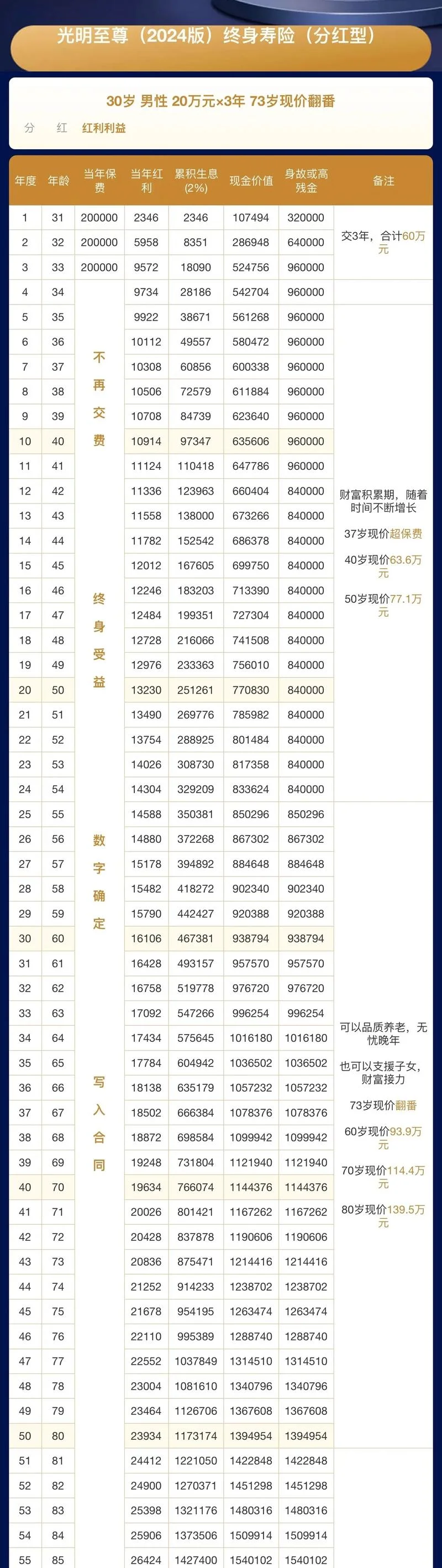 寿险哪家保险公司靠谱-寿险保险哪家靠谱
2026-06-26
寿险哪家保险公司靠谱-寿险保险哪家靠谱
2026-06-26
-
 fm834是哪家航空公司-fm834归属哪家航空
2026-06-26
fm834是哪家航空公司-fm834归属哪家航空
2026-06-26
-
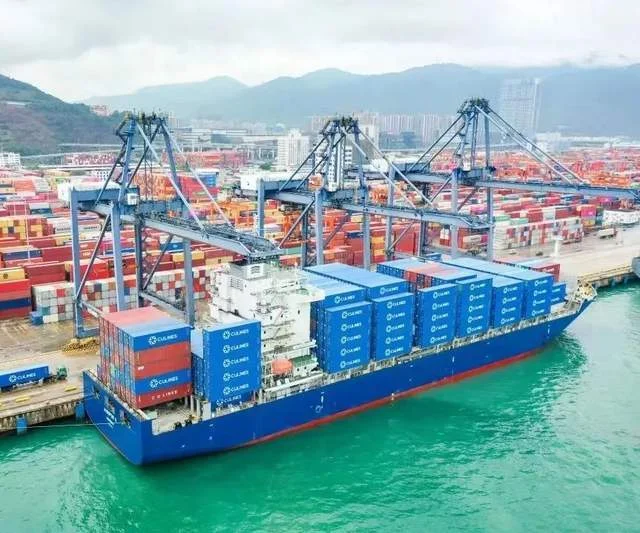 cul是哪家船公司-CUL 是哪家船公司
2026-06-26
cul是哪家船公司-CUL 是哪家船公司
2026-06-26
-
 会计公司招销售做什么(招聘会计销售岗位)
2026-06-11
会计公司招销售做什么(招聘会计销售岗位)
2026-06-11
-
 零增项装修公司哪家好(零增项装修公司首选)
2026-06-12
零增项装修公司哪家好(零增项装修公司首选)
2026-06-12
-
 收账公司一般什么套路(收账套路揭秘)
2026-06-12
收账公司一般什么套路(收账套路揭秘)
2026-06-12
-
 房地产开发公司是什么(房地产开发公司定义)
2026-06-11
房地产开发公司是什么(房地产开发公司定义)
2026-06-11
-
 跨城搬家公司找哪家(跨城搬家哪家靠谱)
2026-06-12
跨城搬家公司找哪家(跨城搬家哪家靠谱)
2026-06-12
-
 酒业公司需要办什么证(酒业经营必备证照)
2026-06-12
酒业公司需要办什么证(酒业经营必备证照)
2026-06-12
-
 上海哪家回收公司好-上海回收公司哪家好
2026-06-26
上海哪家回收公司好-上海回收公司哪家好
2026-06-26